
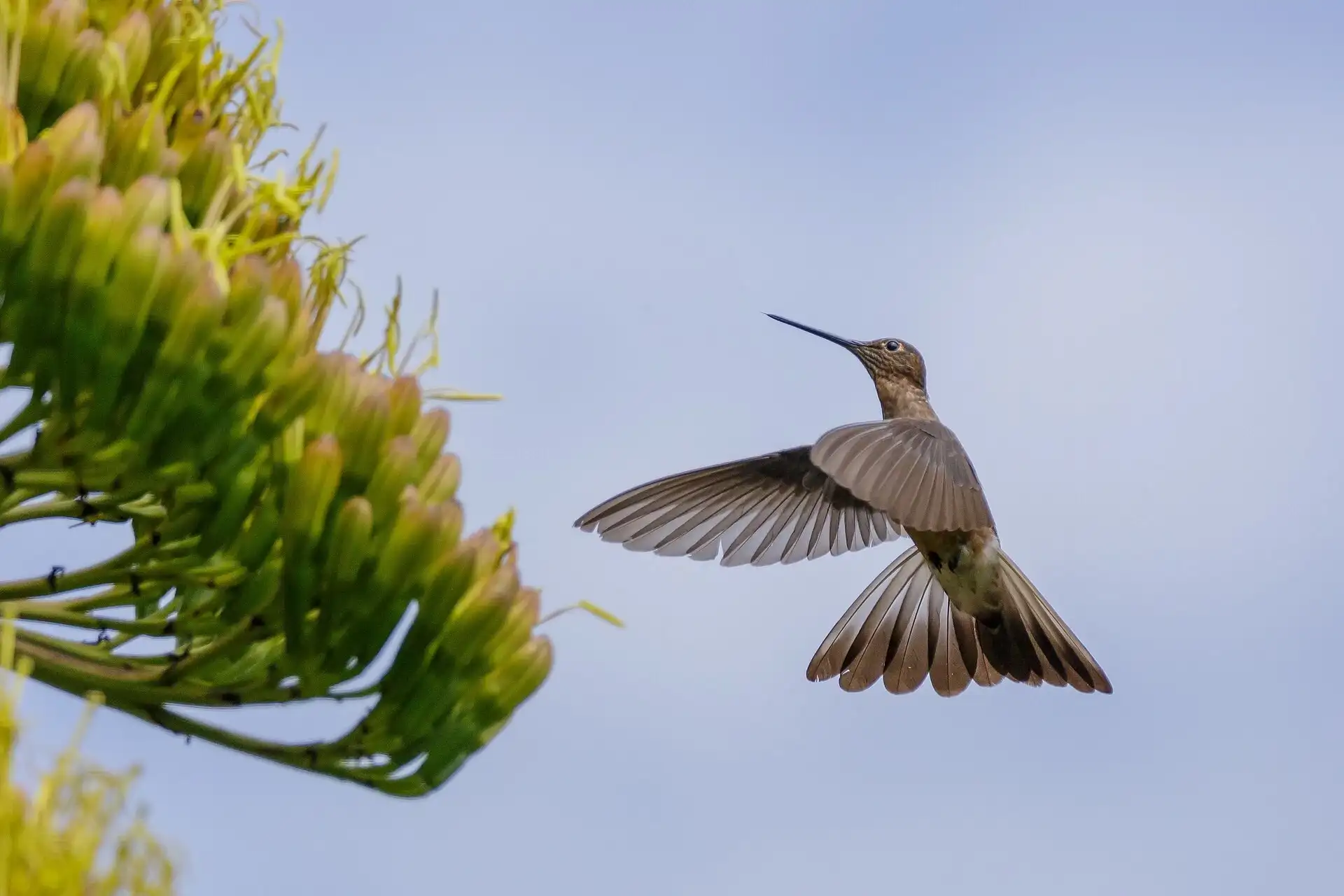
Peru is one of the countries with the most bird species in the world, and the Cusco region packs huge variety into a small area: from high Andean lakes to the cloud forests that drop towards the jungle. In a few hours on the road you pass through completely different ecological zones, each with its own species. This guide brings together the best spots near the city, when to go and how to plan.
Start here: Cusco tips · things to do in Cusco
Why Cusco is a great birding destination
The key is altitude. Between Andean passes at over 4,000 m and the warm valleys of the cloud-forest fringe, climate and vegetation change abruptly. That means a single outing can bring puna birds, Andean scrub birds and cloud-forest species. Several species are also endemic to Peru, meaning they live in no other country.
Popular activities on GetYourGuide
Huacarpay wetland
Less than an hour southeast of the city, Huacarpay lake, in the Lucre-Huacarpay wetland, is the classic place to start. It's recognised as a Ramsar site of international importance. Around the lake you'll see Andean ducks, coots, herons and Andean gulls, and the dry scrub on the slopes is home to the bearded mountaineer (Oreonympha nobilis), a hummingbird endemic to Peru and one of the area's big targets.
Add some archaeology
Pikillaqta and Tipón are nearby, so you can do birds in the morning and ruins in the afternoon.
Abra Málaga
The Abra Málaga pass, on the road from Ollantaytambo to Santa María, rises above 4,000 m. Its slopes hold surviving polylepis (queñua) woods, a scarce habitat home to specialised and threatened species, such as some cinclodes and tit-spinetails. Over the pass, the road drops into humid forest with tanagers and other cloud-forest species. It's a full-day outing, best with a specialist guide.
Machu Picchu and Aguas Calientes
The sanctuary's forests are a paradise for hummingbirds and tanagers. Around Aguas Calientes and the Urubamba river you may see the Andean cock-of-the-rock, Peru's national bird, with its striking orange plumage, especially early and late in the day. On the river you can spot water birds such as the torrent duck.
- Aguas Calientes (Machu Picchu Town): getting there, things to do and where to stay
- Sunrise at Machu Picchu: how to catch the first light and what to really expect
The Sacred Valley
The countryside around Pisac, Urubamba and Ollantaytambo, with its mix of fields, eucalyptus and scrub, is good for hummingbirds, siskins and Andean garden birds. It's a convenient option if you're staying in the valley and want to head out early without long drives.
- Sacred Valley of the Incas: what to see and how to visit
- Where to stay in the Sacred Valley: Pisac, Urubamba, Ollantaytambo and more
High Andean lakes
Puna lakes, such as those around Chinchero and Piuray, attract ducks, grebes and shorebirds. At this altitude it's cold in the morning and windy in the afternoon: dress warmly.
- Chinchero: weaving, Inca ruins and market between Cusco and the Sacred Valley
- Huaypo and Piuray lakes: a quiet escape near Chinchero
Best time of year
You can see birds all year. In the dry season, May to September, roads are in better shape and rain is less of a nuisance. In the rainy season, November to March, many species are more active and vocal, but cloud-forest trips can be hampered by mud and landslides.
- Cusco weather by month: temperatures, rain and what to expect
- Rainy season in Cusco and Machu Picchu: what to expect and how to make the most of it
What time to go
Activity peaks at dawn and in the first hours of the morning. Plan to leave very early, especially for Abra Málaga, which is far. At midday activity drops and the light is harsh for photos.
Recommended gear
- Binoculars, ideally 8x42 or similar.
- A field guide to the birds of Peru or an app with calls.
- Layers: cold dawns and strong midday sun.
- Rain jacket, comfortable shoes and sun protection.
- Water and some food for long outings.
With a specialist guide
A birding guide knows the calls, the exact spots and each species' behaviour, which multiplies what you'll see. Look for guides who specialise in birdwatching, not general guides. Ask for references, ask which target species the outing covers and confirm transport and timings.
Bird photography
To photograph birds you'll need a long telephoto lens. In the cloud forest light is scarce, so raise the ISO and be patient. Keep your distance: don't overuse call playback or approach nests.
Responsible birding
Stay on paths, don't feed birds and respect private property and communities. At wetlands, avoid trampling the shoreline vegetation where many species nest.
Altitude
Abra Málaga and the high lakes are well above Cusco's altitude. Acclimatise for a couple of days first, walk slowly and drink water.
Frequently asked questions
- Where can I go birdwatching near Cusco?
- The Huacarpay wetland is the closest option; Abra Málaga and Machu Picchu take more time.
- Which endemic bird can I see at Huacarpay?
- The bearded mountaineer (Oreonympha nobilis), a hummingbird endemic to Peru.
- Where can I see the cock-of-the-rock?
- In the forests near Aguas Calientes and the Urubamba river, best early or at dusk.
- When is the best time?
- All year; the dry season makes getting around easier.
Book this plan
- Urubamba river raftingCompareSee dates →
- ATV ride to Maras and MorayCompareSee dates →
- Sacred Valley ziplineCompareSee dates →
Notice: This guide shares advice and recommendations based on research and local experience. Prices, opening hours and rules may change: always check with official sources and operators. Cusco Tips is not responsible for third-party services, bookings or decisions made using these guides; some links are affiliate links (see our affiliate policy).
Related guides
Cusco's South Valley: Tipón, Pikillacta, Andahuaylillas and local flavours
Guide to Cusco's South Valley: Tipón's Inca waterworks, the Wari city of Pikillacta, Andahuaylillas church, Huacarpay lagoon, chicharrón, Oropesa bread and how to get there.
Read guide →
Huaypo and Piuray lakes: a quiet escape near Chinchero
Huaypo and Piuray lakes on the Chinchero plateau: getting there, walks, cycling, kayaking, birds, communities, combining with Maras and Moray, and altitude tips.
Read guide →
Sacred Valley of the Incas: what to see and how to visit
Sacred Valley guide: Pisac, Chinchero, Moray, the Maras salt pans and Ollantaytambo, tickets, how to visit (tour, independently or with a driver) and a 2-day plan.
Read guide →
Aguas Calientes (Machu Picchu Town): getting there, things to do and where to stay
Practical guide to Aguas Calientes: arriving by train or on foot, the bus to Machu Picchu, things to do, hot springs, Mandor, ATMs and tips for staying overnight.
Read guide →
Photography tours in Cusco: routes, best light and tips for great photos
Guide to photography tours and photo walks in Cusco: what they offer, city and Sacred Valley routes, best light, photographing people respectfully and recommended gear.
Read guide →