
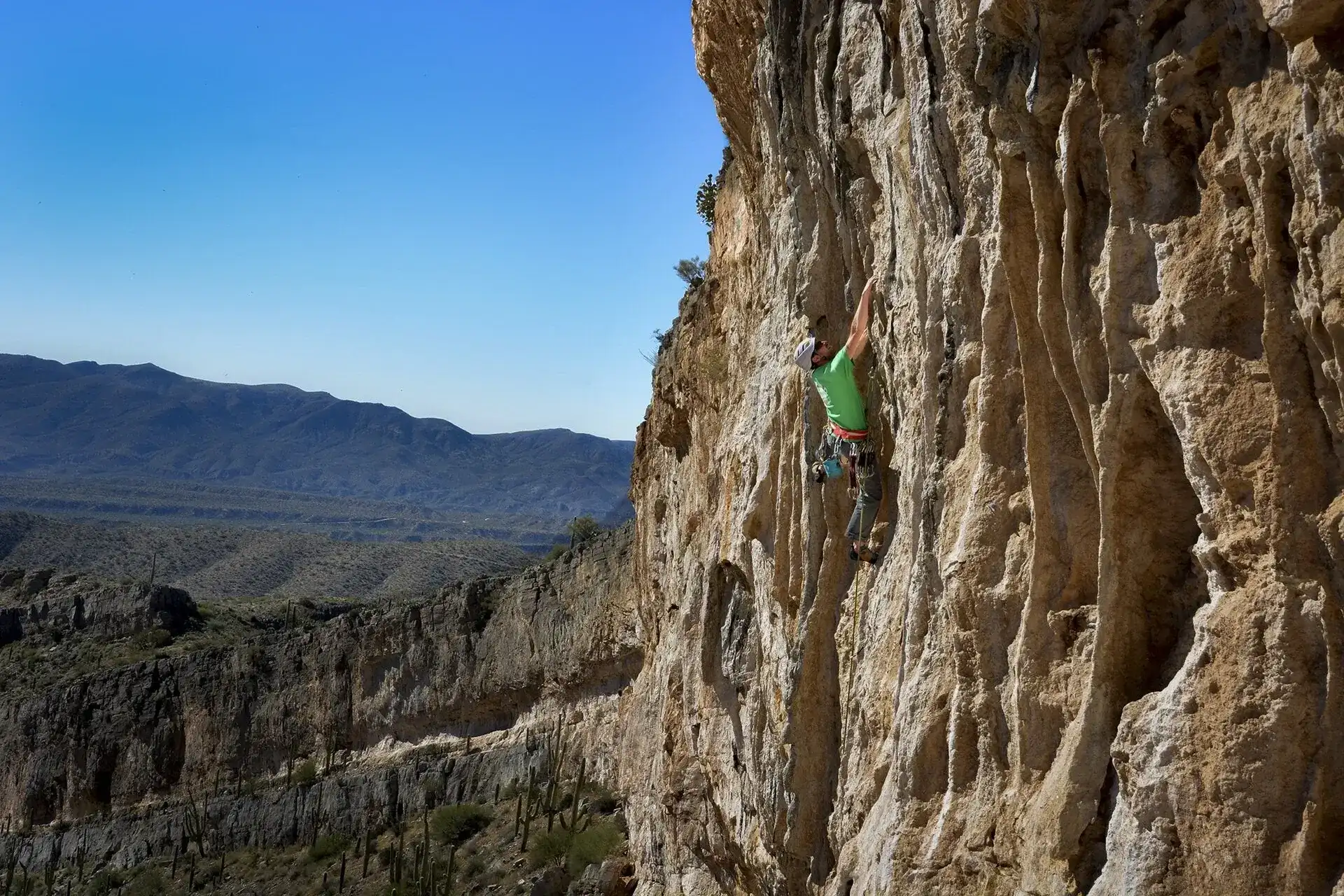
Cusco isn't just ruins and hikes: its mountains hold limestone walls bolted for sport climbing, with views few climbing areas in the world can match. The big star is the Ch'acco Huayllascca park near Pitumarca, but there are also small crags less than an hour from the city. This guide sums up where to climb, when to go and what to bear in mind at this altitude.
Start here: Cusco tips · things to do in Cusco
Climbing at high altitude
Most walls in the region are above 3,500 m, and some are over 4,000 m. That changes the experience: you'll tire sooner, recovery between routes is slower and the sun burns much harder. In return, you climb surrounded by snowy peaks and Andean communities. Plan to climb after a few days of acclimatisation.
Popular activities on GetYourGuide
Ch'acco Huayllascca, the big park
Near the town of Pitumarca, southeast of Cusco on the slopes of Ausangate, the Ch'acco Huayllascca park is the largest climbing area in the region. Several routes start above 4,000 m. According to climbers' reports, it has over 150 limestone routes, with grades from beginner to very high level, overhangs, roofs, tufas and stalactites, plus bouldering areas. The community manages access and registers visitors at the entrance.
There and back in a day
It's about 2 to 3 hours by road from Cusco, so it's a full-day outing. Leave early.
- Rainbow Mountain or Humantay Lake? A comparison to choose your day trip
- Cusco's South Valley: Tipón, Pikillacta, Andahuaylillas and local flavours
Crags near the city
In the hills around Cusco there are several small limestone walls, about 15 m high, bolted for sport climbing. Some are 30 to 45 minutes away by car and have easy and intermediate routes, ideal for a half day or for trying climbing for the first time. Others offer harder grades. They're usually visited with a local guide who knows the access and the condition of the anchors.
The Sacred Valley
There's climbing in the Sacred Valley too, including areas with multi-pitch routes near Ollantaytambo. Combining climbing with a stay in the valley is convenient, since the altitude is lower than Cusco and the climate milder.
- Sacred Valley of the Incas: what to see and how to visit
- Ollantaytambo: ruins, a living Inca town, the Machu Picchu train and tips
- Ziplining and via ferrata in Cusco: the Sacred Valley and Santa Teresa
Best time of year
The good season matches the dry season, roughly April to November. In the rainy season the rock can be wet and afternoon storms are common, especially at the high areas. Even in the dry season, start early: the wind tends to pick up in the afternoon.
- Cusco weather by month: temperatures, rain and what to expect
- Rainy season in Cusco and Machu Picchu: what to expect and how to make the most of it
What level
- Beginners: several areas have easy top-rope routes and guides run outings with no experience needed.
- Intermediate: you'll find mid grades on slabs and vertical walls.
- Advanced: Ch'acco Huayllascca has overhangs and high-level routes.
Always ask which grades a sector has before going.
Gear
If you go with a guide, technical gear is usually included: helmet, harness, ropes and quickdraws. Confirm what's included before booking. If you bring your own, a 60 m rope or longer and about 12 quickdraws cover most sport routes, but check each sector's information. Always wear a helmet: limestone walls have rockfall.
Guided or independent
For most visitors, going with a climbing guide is the safest and most practical option: it sorts out transport, access, communities and gear. If you're an experienced climber going independently, find out about the condition of the bolts and respect each community's rules. Choose guides with recognised training and ask for references.
Safety
- Check anchors before trusting them.
- Wear a helmet, even when belaying.
- Drink plenty of water: altitude dehydrates.
- Bear in mind that medical services are far from the climbing areas.
- Get travel insurance that covers mountain activities.
- Is Cusco safe? Real risks and practical tips for a worry-free trip
- Health in Cusco: vaccines, yellow fever, water, sun and first-aid kit
What to bring
- Layers and a windproof jacket.
- High-factor sunscreen, sunglasses and a cap.
- Water and food for the whole day.
- Climbing shoes and chalk.
- Cash for the community entrance fee, if there is one.
Climbing with respect
The climbing areas are on the land of rural communities. Say hello, pay the established fees, leave no rubbish and don't light fires. New routes and bolting should be agreed with the community.
What to combine it with
Pitumarca is also a gateway to Rainbow Mountain, and on the way there are villages and archaeological sites in the South Valley. If you climb near the city, you can combine it with an afternoon at Sacsayhuamán or the viewpoints.
- Rainbow Mountain or Humantay Lake? A comparison to choose your day trip
- Cusco's South Valley: Tipón, Pikillacta, Andahuaylillas and local flavours
- Sacsayhuamán: how to visit, tickets, history and tips
Frequently asked questions
- Where can you climb in Cusco?
- The main area is Ch'acco Huayllascca near Pitumarca; there are also small walls near the city and in the Sacred Valley.
- Do I need experience?
- Not necessarily: there are guided outings with easy top-rope routes.
- When is the best time?
- The dry season, roughly April to November.
- Does altitude matter?
- Yes, a lot. Acclimatise for a few days before climbing.
Book this plan
- Urubamba river raftingCompareSee dates →
- ATV ride to Maras and MorayCompareSee dates →
- Sacred Valley ziplineCompareSee dates →
Notice: This guide shares advice and recommendations based on research and local experience. Prices, opening hours and rules may change: always check with official sources and operators. Cusco Tips is not responsible for third-party services, bookings or decisions made using these guides; some links are affiliate links (see our affiliate policy).
Related guides
Ziplining and via ferrata in Cusco: the Sacred Valley and Santa Teresa
Guide to ziplines and via ferrata in Cusco: what the Sacred Valley via ferrata is like, the Santa Teresa ziplines, difficulty, ages, safety, combos and what to bring.
Read guide →
Paragliding in Cusco: tandem flights over the Sacred Valley
Paragliding in Cusco guide: tandem flights over the Sacred Valley, duration, best season and time of day, weight and health requirements, safety, choosing an operator and packing.
Read guide →
Rainbow Mountain or Humantay Lake? A comparison to choose your day trip
We compare Vinicunca and Humantay: altitude, difficulty, schedule, scenery, weather and approximate cost, to decide which to do with one day (or how to do both).
Read guide →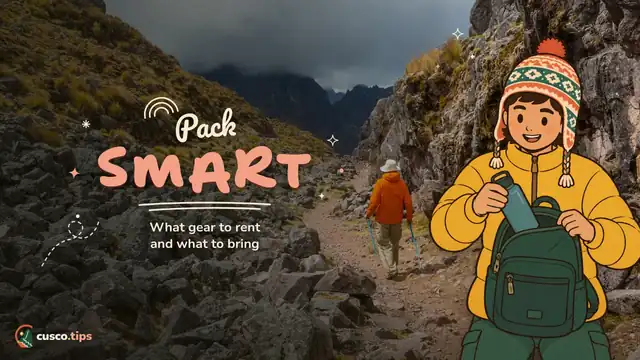
Trekking gear rental and shops in Cusco: what to rent, what to bring and tips
Trekking gear in Cusco: renting sleeping bags, poles and jackets, outdoor shops, what agencies include, what to bring from home, checking gear and a packing list.
Read guide →