
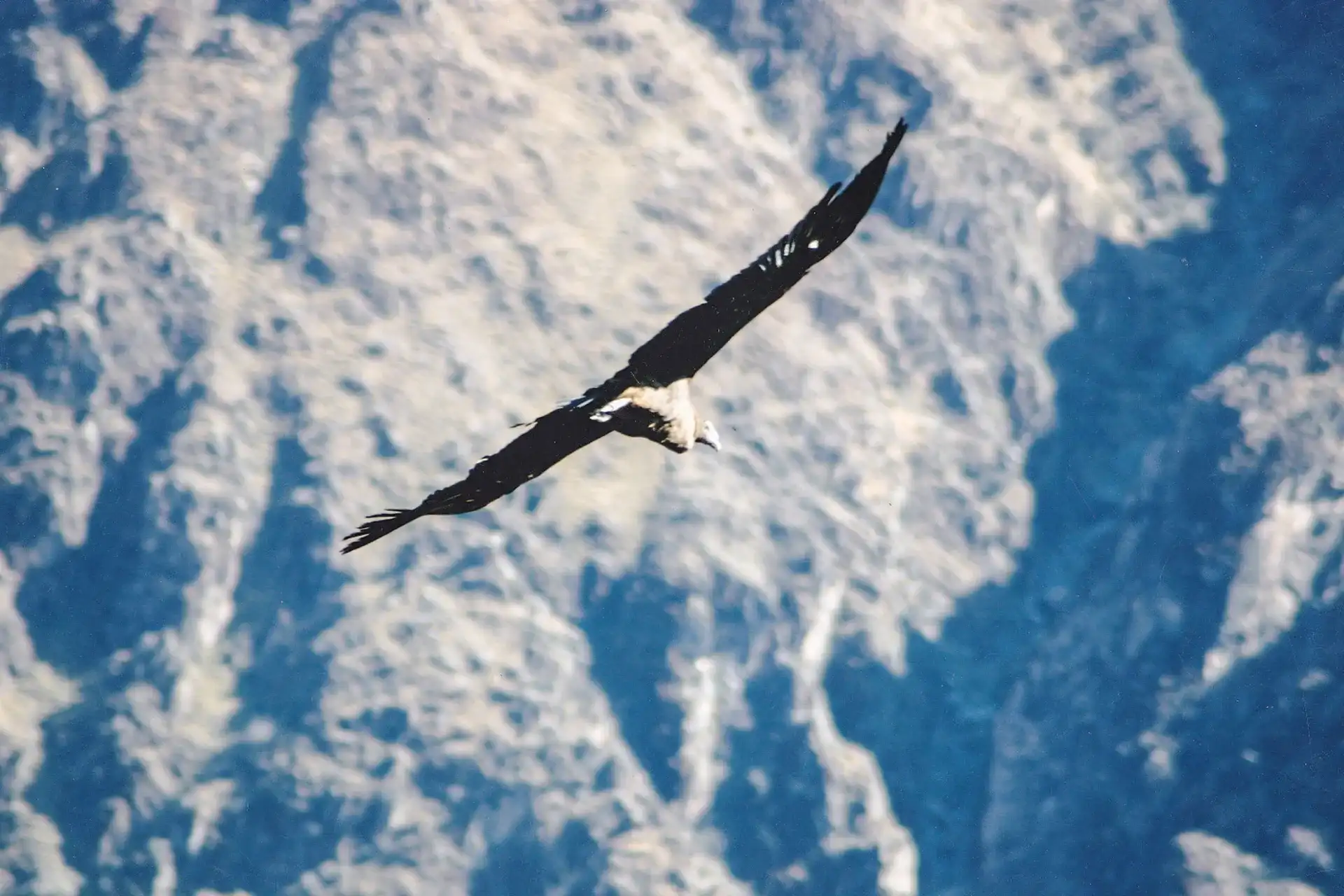
Half an hour from Cusco, on the road that drops towards Pisac, there is a place where an Andean condor may glide just a few metres above your head. This is the Cochahuasi Animal Sanctuary, a rescue centre that takes in wild animals that were trafficked, mistreated or injured, and which has become famous for its work with the condor, the most iconic bird of the Andes. It is neither a zoo nor a theme park: it is a refuge, and understanding that difference makes the visit far more rewarding.
Start here: Cusco tips · things to do in Cusco
What Cochahuasi is
Cochahuasi is a wildlife sanctuary run by a Cusco family, devoted to rescuing and treating wild animals and, whenever possible, returning them to the wild. According to Peru's state news agency Andina, its owner is Dante Chávez, and in 2019 the sanctuary was caring for about 120 animals on some 10,000 m², with around 30 people working there. Many residents were seized by the authorities or arrived injured, and some can never return to the wild because they spent years in captivity or have permanent injuries.
Visits are usually guided by sanctuary staff, who tell each animal's story: where it came from, what happened to it and why it is there. That story, more than the photo, is what makes the visit special.
Popular activities on GetYourGuide
The condors: the sanctuary's stars
The Andean condor is one of the largest flying birds in the world, with a wingspan that can exceed 3 metres, and a sacred symbol in the Andean worldview. It is also threatened: Peru's forestry and wildlife service, SERFOR, estimates that fewer than 2,500 remain in the country, hit by poisoning, hunting and their use in spectacles such as some traditional bullfights.
Cochahuasi is known for rehabilitating rescued condors. The best-known case is Marcapata Kuntur, a nine-year-old male weighing about 10 kg that was rescued injured after a bullfight in Marcapata. According to Andina, he spent two years and two months in treatment at the sanctuary and was released on 30 September 2019 in the community of Ccaccacollo, in Taray district, fitted with a GPS tracker.
On a visit you will often see condors that can no longer return to the wild flying in a large area close to visitors. It is a unique way to grasp their size, but remember they are wild animals, not pets.
Best moment
If you want to see the condors fly, ask at the sanctuary when they usually do; it depends on the weather, the wind and each bird's care.
Other animals you may see
Besides condors, the sanctuary shelters species that are very hard to spot in the wild. Depending on the season and recent rescues, you may find:
- Pumas rescued from the illegal trade.
- Spectacled bears, South America's only bear species.
- Andean cats and other small Andean felines.
- Llamas and alpacas, which you can often feed under supervision.
The line-up changes as some animals are released and others arrive, so we cannot promise any particular one.
With kids
One of the most educational visits for families: children see animals up close and learn why wildlife should never be bought.
How to get there from Cusco
Cochahuasi sits at kilometre 22 of the Cusco–Pisac road, in Taray district (Calca province), about 30 minutes from the Plaza de Armas.
- By colectivo: shared vans and minibuses to Pisac leave from the Calle Puputi area. Ask to be dropped at the Cochahuasi sanctuary, or "where the condors are"; drivers know it.
- By taxi: agree on a return taxi, or carry on to Pisac afterwards.
- On a tour: some Sacred Valley tours include it; check the itinerary first, because many stop at Awana Kancha instead, right next door at km 23.
- Awana Kancha: llamas, alpacas and weaving on the road to Pisac
- Cusco to the Sacred Valley and Ollantaytambo: colectivo, taxi, tour and train
Entry, opening hours and visit length
We do not publish fees or hours because they change and several different websites use the sanctuary's name. Confirm them directly with the sanctuary or your agency before you go. Allow about an hour for an unhurried guided visit.
- Bring cash in soles in case cards are not accepted.
- Wear a hat and sunscreen: you are above 3,000 m and the midday sun is strong.
- If you want to help, ask about donations or sponsorship programmes at the sanctuary itself.
Altitude
The walk is short and almost flat, but if you have just arrived in Cusco move slowly and drink water.
Combining it in one day
The road to Pisac is perfect for a morning or a full day:
- Leave Cusco early for Tambomachay or Puka Pukara if you have the Tourist Ticket.
- Cochahuasi (km 22) to meet the condors.
- Awana Kancha (km 23), a few minutes away, for camelids and weaving.
- Pisac: craft market and the archaeological park above the town.
- Qenqo, Puka Pukara and Tambomachay: the Inca sites above Cusco and how to visit them
- Pisac: Inca ruins, craft market and how to visit from Cusco
- Cusco Tourist Ticket (Boleto Turístico): what's included and is it worth it
Visiting responsibly
You can tell a good sanctuary by how it treats its animals. Always follow staff instructions, do not use flash, do not shout or bang on fences and do not ask to touch wild animals. Most importantly, never buy live animals, feathers, skins or wildlife products in Peru; that trade is what fills rescue centres.
Frequently asked questions
- Where is Cochahuasi Animal Sanctuary?
- At kilometre 22 of the Cusco–Pisac road, in Taray district, about 30 minutes from Cusco.
- What animals live at Cochahuasi?
- Mainly Andean condors, plus pumas, spectacled bears, Andean felines, llamas, alpacas and other rescued species; the line-up changes with rescues and releases.
- How do I get to Cochahuasi on my own?
- By colectivo towards Pisac from the Calle Puputi area, asking to be dropped at the sanctuary, or by taxi.
- How long does a visit take?
- About an hour for the guided tour.
Official sources
Book this plan
- Rainbow Mountain (Vinicunca)CompareSee dates →
- Humantay LakeCompareSee dates →
- Sacred Valley tourCompareSee dates →
Notice: This guide shares advice and recommendations based on research and local experience. Prices, opening hours and rules may change: always check with official sources and operators. Cusco Tips is not responsible for third-party services, bookings or decisions made using these guides; some links are affiliate links (see our affiliate policy).
Related guides
Awana Kancha: llamas, alpacas and weaving on the road to Pisac
What to see at Awana Kancha, the living museum of camelids and textiles at km 23 of the Cusco–Pisac road: four species, natural dyes, how to get there and shopping tips.
Read guide →
Pisac: Inca ruins, craft market and how to visit from Cusco
Pisac guide in the Sacred Valley: what to see in the archaeological park, the market, getting there from Cusco, entry with the Tourist Ticket, the walk down and tips.
Read guide →
Sacred Valley of the Incas: what to see and how to visit
Sacred Valley guide: Pisac, Chinchero, Moray, the Maras salt pans and Ollantaytambo, tickets, how to visit (tour, independently or with a driver) and a 2-day plan.
Read guide →
Cusco with kids: altitude, itinerary and family activities
How to travel to Cusco and Machu Picchu with kids: acclimatisation and health, starting in the Sacred Valley, family activities, tickets and trains, and practical tips.
Read guide →
Birdwatching in Cusco: Huacarpay, Abra Málaga and Machu Picchu
A guide to birdwatching around Cusco: the Huacarpay wetland, polylepis woods at Abra Málaga, hummingbirds and cock-of-the-rock near Machu Picchu, season, gear and guides.
Read guide →