
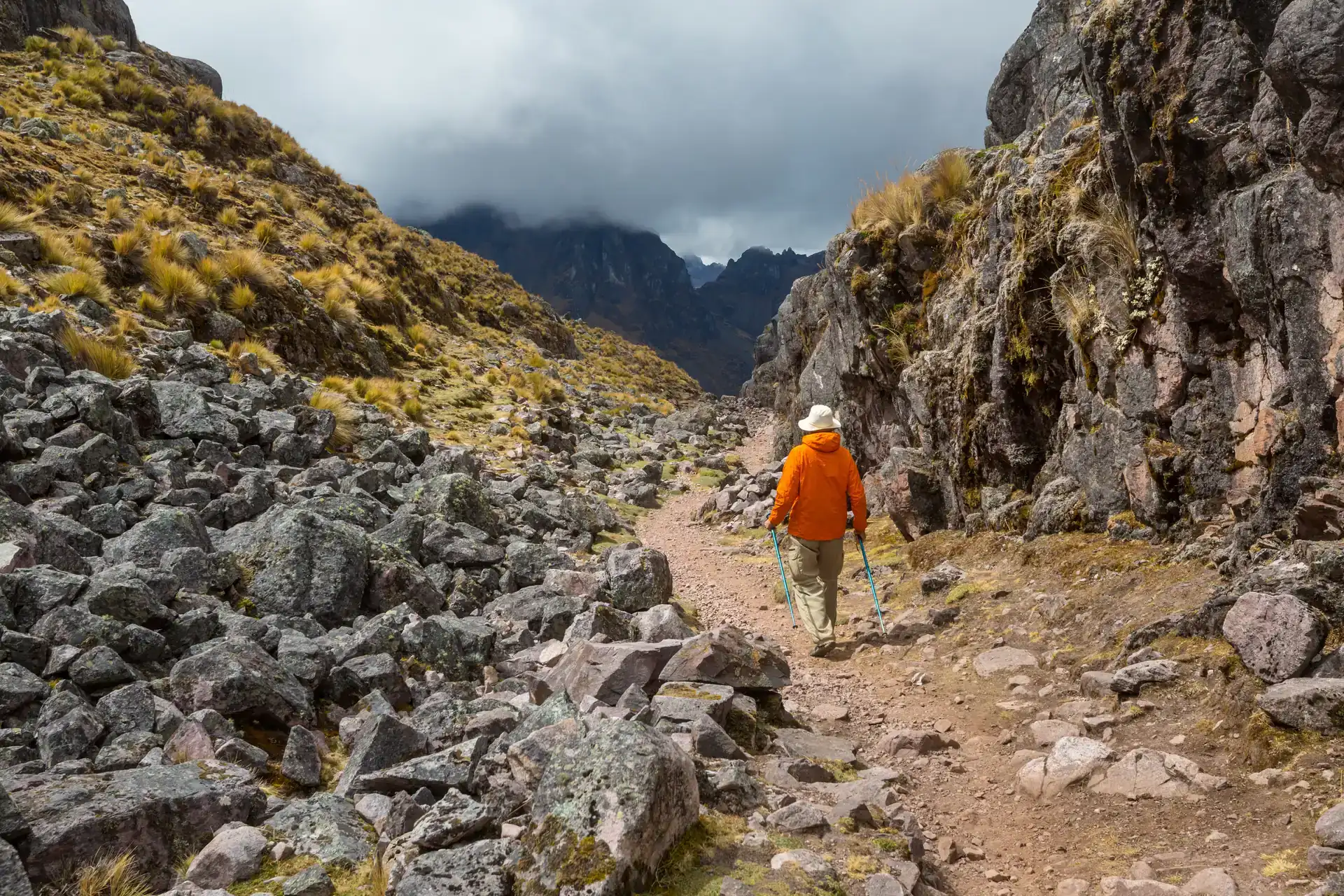
Choquequirao and Machu Picchu look similar on postcards: Inca complexes above a canyon, terraces, plazas and a city hanging on the mountain. The experience is almost the opposite. Machu Picchu can be visited in a day by train and bus (or at the end of a popular trek). Choquequirao is reached only on foot, on a multi-day trek with brutal elevation change. This guide does not sell you one or the other: it helps you decide with effort, time, crowds and the kind of ruins you will see.
Start here: Cusco tips · things to do in Cusco
Quick summary
- Machu Picchu: train + bus access (or optional trek), one-day visit possible, many people, heavily restored ruins and controlled circuits, relatively simple logistics.
- Choquequirao: on foot only (classic out-and-back 4–5 days from Cachora), few people, much still under vegetation, high physical effort by default.
- They are not «the same site with fewer tourists». Choquequirao needs preparation, time and fitness; Machu Picchu fits most first trips to Peru.
- Choquequirao trek: Machu Picchu's remote "sister" (route, difficulty and tips)
- Machu Picchu day trip from Cusco: timings, logistics and whether it's worth it
Popular activities on GetYourGuide
Access and logistics
Machu Picchu Pueblo (Aguas Calientes) connects by train from Ollantaytambo (and, seasonally, other stations), then a short bus to the sanctuary entrance. Treks also finish there (Inca Trail, Salkantay, Inca Jungle and others). The site visit follows tickets, circuits and capacity limits: book entry and transport ahead in high season.
Choquequirao has no train or road to the site. The classic route starts in Cachora (Apurímac), drops to the Apurímac River and climbs again to the complex. You camp or use basic trail services; most people go with an agency (guide, mules, food) or with serious independent experience. A cable car has been announced for years; until it runs, trekking remains the filter.
- Trains to Machu Picchu: stations, companies and which class to choose
- Aguas Calientes (Machu Picchu Town): getting there, things to do and where to stay
- Inca Trail to Machu Picchu: permits, when to book, the 4-day route and the short version
- Salkantay Trek to Machu Picchu: route, difficulty, best season and how to plan it
Days needed
- Machu Picchu: one full day is viable from Cusco or Ollantaytambo; two days are more comfortable.
- Choquequirao out-and-back: usually 4 or 5 days. Five eases the pace; four is tight.
- Choquequirao–Machu Picchu traverse: around 8–10 days, one of the region’s hardest routes.
If you have one week in Cusco for city + valley + citadel, Machu Picchu fits. If you can give almost a week to the trek alone, Choquequirao enters the picture.
- How many days in Cusco + 3, 5 and 7-day itineraries
- Which trek to Machu Picchu? Inca Trail vs Salkantay vs Inca Jungle vs Lares
Physical effort
Classic Machu Picchu (train + bus + walking circuit) is low to moderate effort: stairs and elevation inside the sanctuary, but not a multi-day trek. Treks to Machu Picchu are hard in their own ways.
Choquequirao is hard by default. What drains you is less the camp altitude (the site is around 3,000 m) than the canyon yo-yo: descents and climbs of about 1,500 m, heat at the bottom, knees under load and long days. Many trekkers rate the daily elevation tougher than the Inca Trail, even if the highest point is lower. Poles, broken-in boots and prior acclimatization in Cusco are not optional.
Not an easier Machu Picchu without crowds
If you pick Choquequirao to dodge queues but skip training and acclimatization, the canyon will bill you.
- Altitude sickness in Cusco: how to prevent it and what to do
- Trekking gear rental and shops in Cusco: what to rent, what to bring and tips
- Adventure sports safety in Cusco: choosing an operator and avoiding risks
Crowds and feel on site
Machu Picchu sees thousands of visitors a day in peak season; circuits and timed entry limit chaos but not the sense of a very visited place. Choquequirao sees a tiny fraction — sometimes dozens of people a day. You can sit on terraces in silence that is rare at Machu Picchu. In return there is less infrastructure, less signage and fewer ready-made photo spots: more exploration, more uncertainty.
Ruins: excavation and what you see
Both are large ceremonial and administrative complexes. Machu Picchu is widely excavated, restored and interpreted: the urban layout is easier to «read». Choquequirao covers a vast area and only part is excavated; much remains under vegetation. Highlights include terraces with white-stone llama figures, plazas, channels and andenes down the slope. Visitors who want the iconic postcard and a clear story often prefer Machu Picchu; those who want scale, mystery and few people prefer Choquequirao.
- Machu Picchu history: who built it, why, and how the world found out
- Machu Picchu circuits explained: which to choose (1, 2 or 3) and what you see
Costs (ranges and verification)
We do not fix prices here because they change by season, train class, tickets, agency and group size. Rough orientation:
- Machu Picchu day: train + bus + entry + guide or tour — often a high single-day spend, but concentrated.
- Choquequirao: site entry (separate from the Cusco Tourist Ticket) + multi-day organised trek or independent costs (mules, food, gear).
Compare current quotes and read what each agency includes. Verify official entry and train fares on current sources before booking.
- How to choose a tour agency in Cusco: a checklist to get it right
- Cusco Tourist Ticket (Boleto Turístico): what's included and is it worth it
- How to book accommodation in Cusco: key dates, tricks and mistakes to avoid
Who should choose which?
Choose Machu Picchu if:
- It is your first Peru trip or you have few days.
- You travel with children, seniors or limited mobility (with caveats: the sanctuary still has stairs).
- You want the iconic experience with clear logistics.
Choose Choquequirao if:
- You are fit, already acclimatized and enjoy hard treks.
- You prioritise solitude and a less mass site.
- You can dedicate 4–5 days (or more) to that goal alone.
Do both only on a long trip: they are not two half-morning visits.
- Cusco for older travellers: gentle tours, altitude and practical advice
- Cusco with kids: altitude, itinerary and family activities
- Solo female travel in Cusco: safety, accommodation, tours and tips
Book the trek or the visit
- Choquequirao trek: Machu Picchu's remote "sister" (route, difficulty and tips)
- Which trek to Machu Picchu? Inca Trail vs Salkantay vs Inca Jungle vs Lares
- Salkantay Trek to Machu Picchu: route, difficulty, best season and how to plan it
Frequently asked questions
- Is Choquequirao harder than the Inca Trail?
- Many rate the canyon elevation as tougher day to day, even though Inca Trail permits and logistics are different.
- Can you visit Choquequirao in one day?
- Not realistically: the classic access needs several hiking days out and back.
- Are there fewer people at Choquequirao?
- Yes, far fewer. The trek is a natural filter.
- Which if I only have 3–4 days in Cusco?
- In practice, Machu Picchu (plus city/valley). Choquequirao needs almost that whole window for the trek alone.
Book this plan
- Choquequirao trekCompareSee dates →
- Machu Picchu day trip from CuscoCompareSee dates →
Notice: This guide shares advice and recommendations based on research and local experience. Prices, opening hours and rules may change: always check with official sources and operators. Cusco Tips is not responsible for third-party services, bookings or decisions made using these guides; some links are affiliate links (see our affiliate policy).
Related guides
Choquequirao trek: Machu Picchu's remote "sister" (route, difficulty and tips)
Choquequirao trek guide: a 4–5 day route from Cachora through the Apurímac canyon, elevation changes, what to see on site, best season, agency vs independent and the extension to Machu Picchu.
Read guide →
Which trek to Machu Picchu? Inca Trail vs Salkantay vs Inca Jungle vs Lares
Machu Picchu treks compared: classic and short Inca Trail, Salkantay, Inca Jungle and Lares. Days, distance, altitude, permits, difficulty and which to choose for your trip.
Read guide →
Salkantay Trek to Machu Picchu: route, difficulty, best season and how to plan it
Salkantay Trek guide: 4–5 day route over a pass of about 4,600 m, Humantay Lake, cloud forest, arrival in Aguas Calientes, difficulty, best season and agency vs independent.
Read guide →
Machu Picchu day trip from Cusco: timings, logistics and whether it's worth it
How to visit Machu Picchu in a single day from Cusco or Ollantaytambo: typical schedule, trains, buses, tickets, tour or DIY, and when it's better to sleep in Aguas Calientes.
Read guide →
Altitude sickness in Cusco: how to prevent it and what to do
Cusco sits at about 3,400 m. Altitude sickness symptoms, warning signs, how to acclimatize, coca tea, medication and when to do the highest day trips.
Read guide →